- Decimal Odds
- Hong Kong Odds
- Indonesian Odds
- American Odds
- Malay Odds
 English
- English
 Vietnam



-
1
 Thiago Rodrigues PereiraFollow88.2%Win Rate +59.1%ROI 17Tips 1.92Avg Odds
 -
2
 Nico RobinFollow80%Win Rate +48.2%ROI 16Tips 1.95Avg Odds
 -
3
 Win Amazing PrizeWon 9/11Follow76.9%Win Rate +19.9%ROI 13Tips 1.64Avg Odds
 -
4
 Predict To WinWon 12/15Follow75%Win Rate +34.2%ROI 17Tips 1.92Avg Odds
 -
5
 SPORT249Won 5/5Follow75%Win Rate +40%ROI 14Tips 1.81Avg Odds
 -
6
 Silas C7Follow75%Win Rate +34%ROI 13Tips 1.95Avg Odds
World Cup Revisited: Did the England Captain Really Steal Anything?
In 1966, England won the World Cup on home soil for the first time. Four years later, they travelled to Mexico as defending champions, determined to uphold their honour at another World Cup. But playing away from home presented many challenges.
The first was altitude. England were drawn in Group Three of the 1970 World Cup, with their matches scheduled in Guadalajara, a city 1,567 metres above sea level. By comparison, London sits at just 24 metres. The team therefore needed to acclimatise in high-altitude conditions before the tournament began. To prepare, they arranged two friendlies: on 20 May 1970, they would face Colombia in Bogotá; four days later, they would play Ecuador in Quito.
On 18 May, England checked into the Tequendama Hotel in Bogotá. The players were warned that the city was poor, crime-ridden, and full of pickpockets, and were advised not to go out alone.

Around the hotel lobby were four luxury boutiques, including one called “Green Fire”, which sold jewellery. Several England players noticed the shop and planned to buy gifts for their families.
That very afternoon, striker Bobby Charlton decided to look for a present for his wife and asked captain Bobby Moore to accompany him to Green Fire. Team doctor Neil Phillips was also in the shop, and winger Peter Thompson briefly appeared as well.
Charlton initially took a liking to an emerald ring, but it was too expensive, so he decided against purchasing it. After browsing the store without finding anything else of interest, he and Moore prepared to leave.
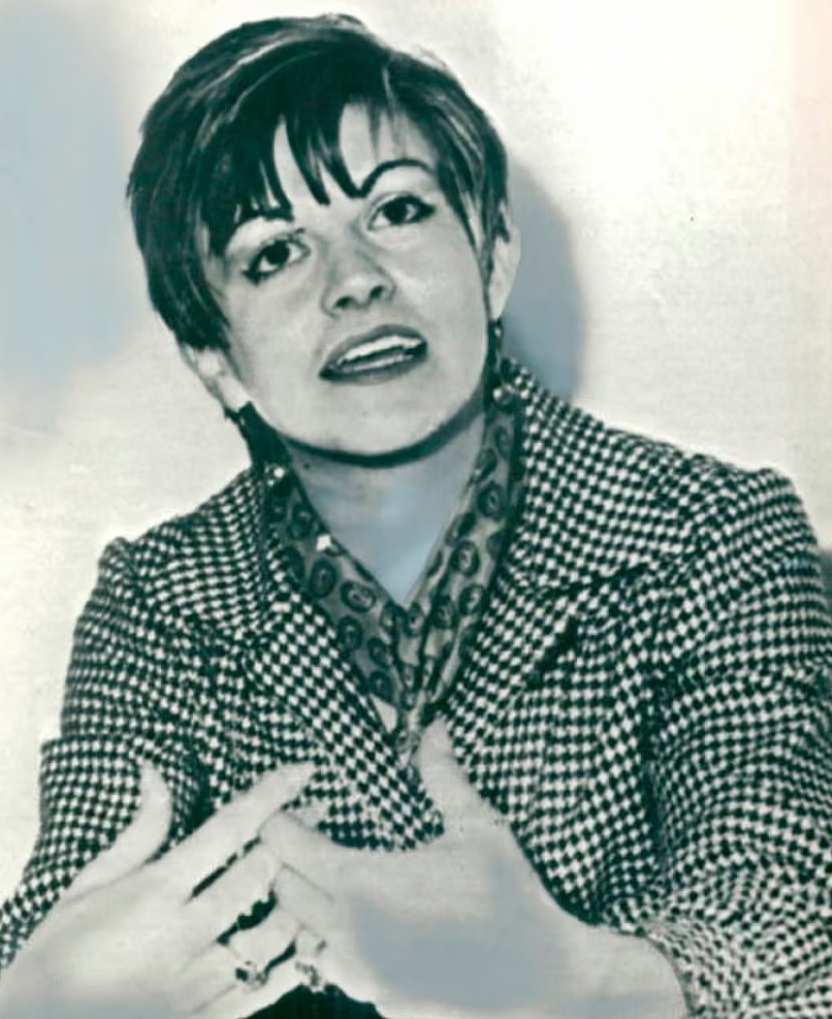
As they strolled into the lobby, chaos suddenly erupted in Green Fire. Staff were frantically under chairs. The owner, Danilo Rojas, rushed out, speaking rapidly in Spanish to Charlton and Moore. Unable to understand him, they were confused. Then a shop assistant named Clara Padilla, who spoke English and had been working there for only two months, confronted them. She accused Moore of stealing a valuable bracelet from a display case.
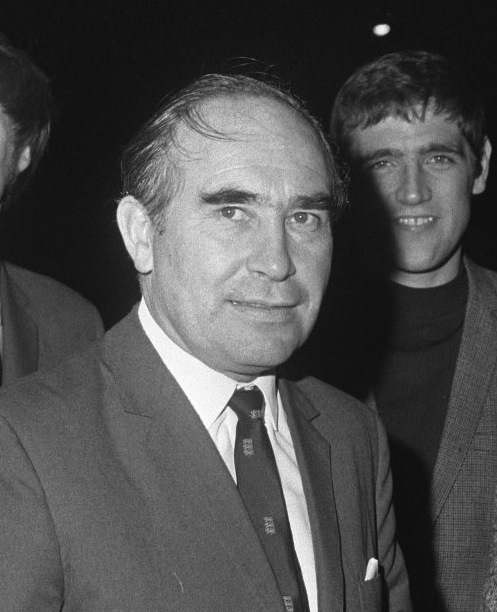
Padilla claimed the bracelet was worth £650 and was set with 12 diamonds and 12 emeralds. Charlton and Moore were outraged and immediately denied the accusation. But Padilla continued shouting, attracting hotel staff and police. The news quickly spread; most of the England squad and manager Alf Ramsey arrived at the scene. Ramsey negotiated with the authorities and brought the situation under control, though he privately feared it might be a conspiracy orchestrated by foreign interests.
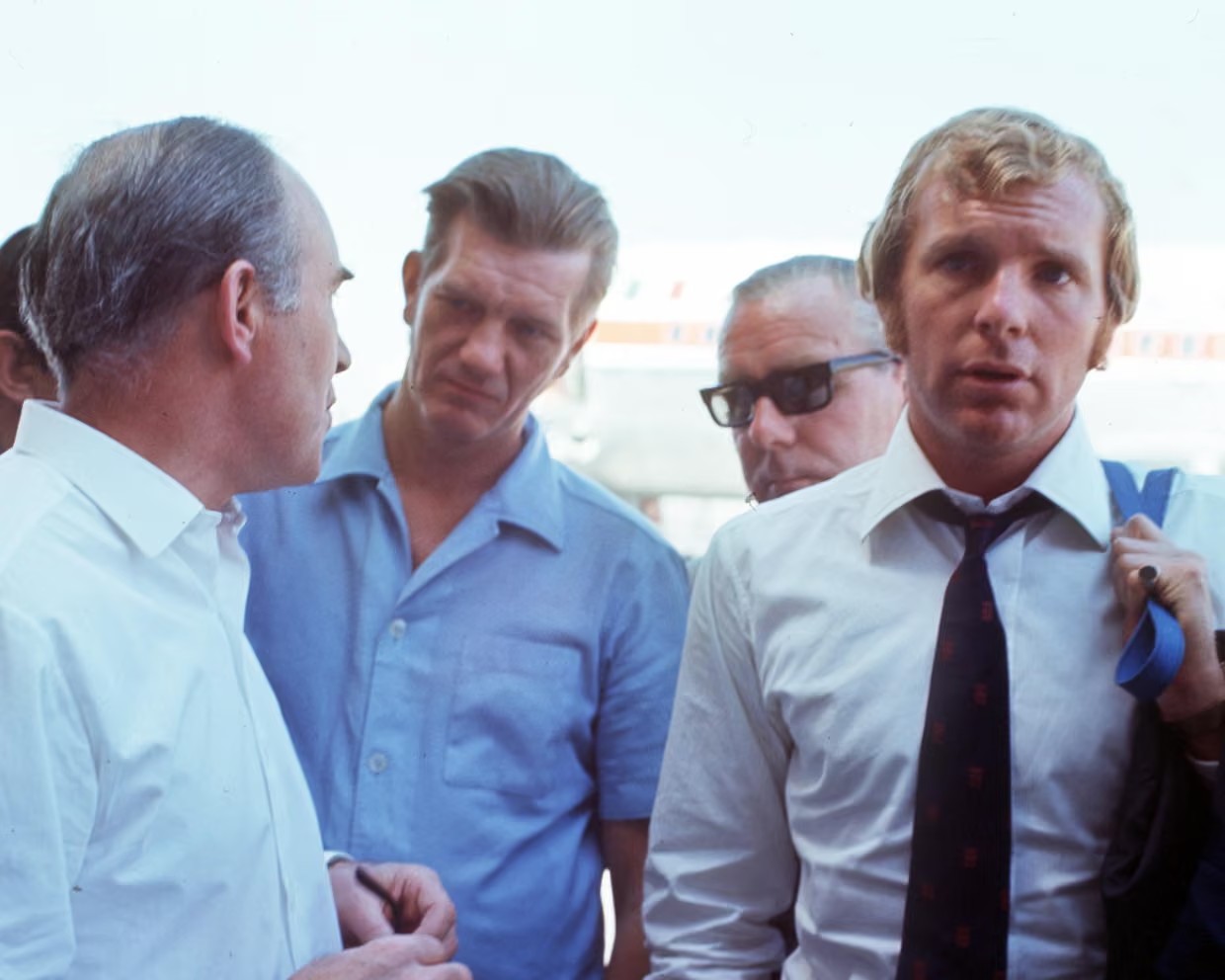
Moore and Charlton were questioned and gave statements. With no evidence against them, the police did not pursue the matter further. British journalists travelling with the team agreed not to report the incident, considering it too minor to warrant publicity.
England proceeded with their match against Colombia, winning 4–0, with both Moore and Charlton playing. The following morning, Moore was summoned to the police station again. Officers asked him to clench his fist and compare it with the gap in the display case. His fist clearly could not fit through it, and he was released.
Believing the matter closed, England travelled to Quito and defeated Ecuador 2–0. After these friendlies, they were due to fly to Mexico. Since there was no direct flight from Quito to Mexico City, they planned to return to Bogotá first.
Concerned about previous trouble there, Dr Phillips suggested rerouting via Panama. However, Ramsey and Moore insisted they had nothing to hide. The team returned to Bogotá and stayed once more at the Tequendama Hotel.
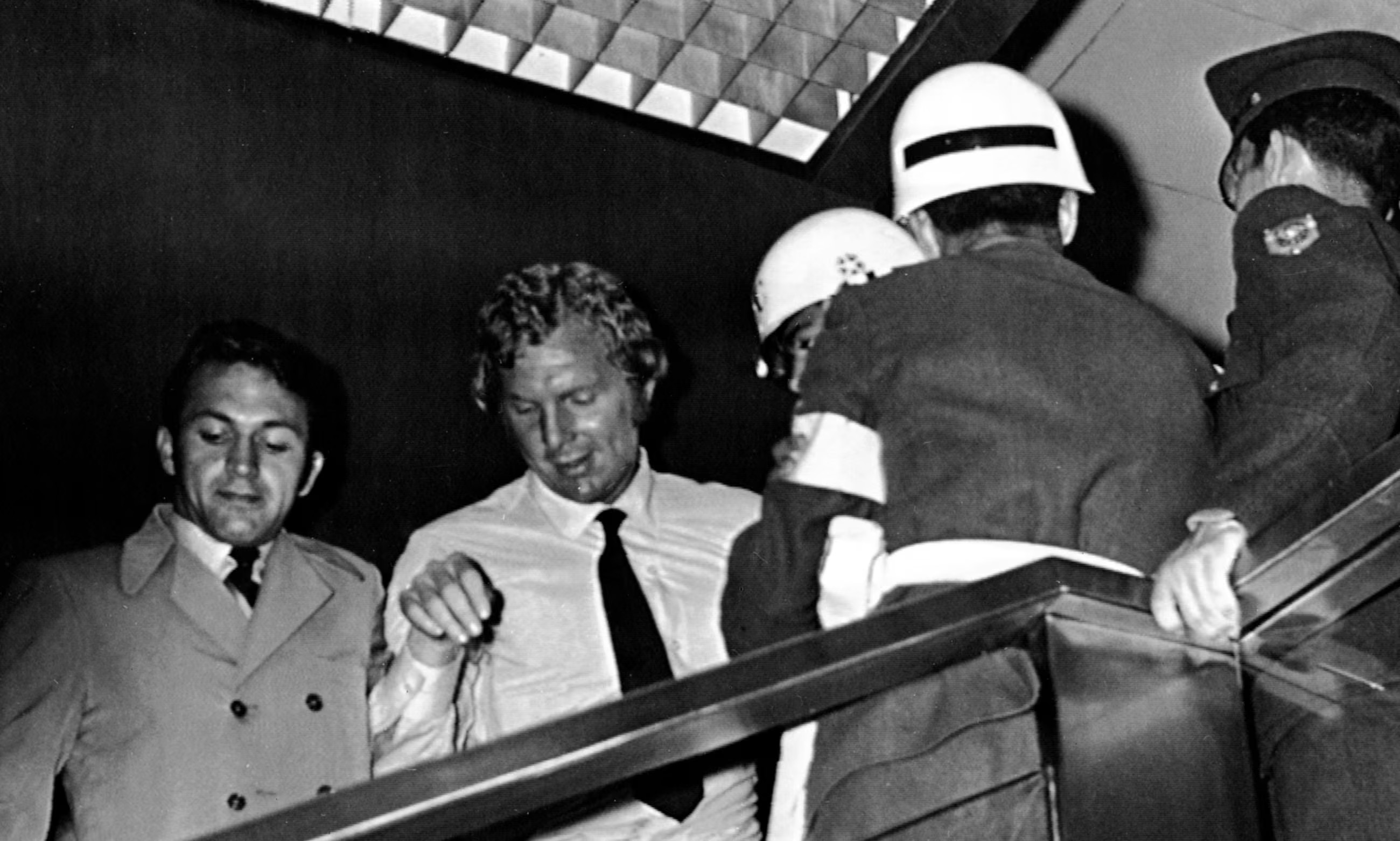
While watching the American film Shenandoah together in the hotel, two plainclothes Colombian officers arrived and asked Moore to answer a few more questions. Confident in his innocence, he agreed — only to be detained shortly after leaving.
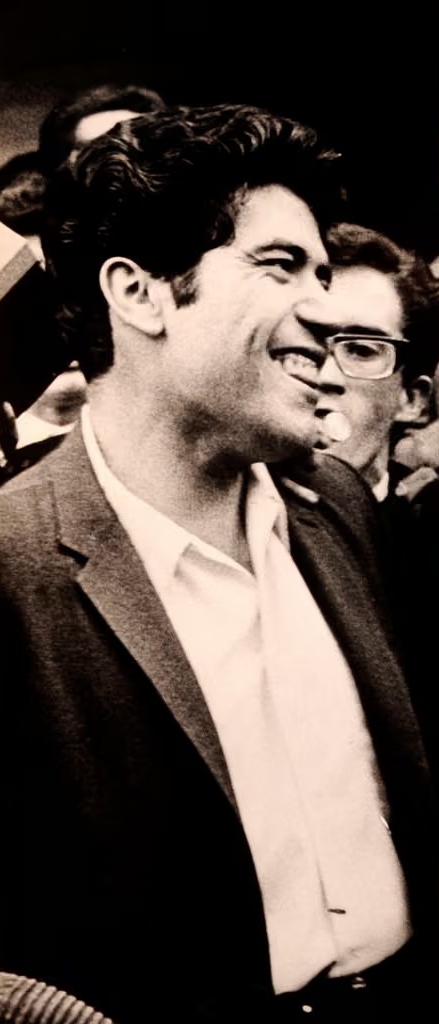
A 26-year-old street vendor named Álvaro Suárez had come forward, claiming he saw Moore steal the bracelet through the shop window. Rojas declared that even if Moore was “the best footballer in the world”, it did not mean he was not a kleptomaniac.
Only Moore was accused. Charlton, Phillips, and Thompson were not implicated.
With the World Cup imminent, Ramsey faced a crisis. Two FA officials remained in Bogotá to assist Moore, while the rest of the squad flew to Mexico. Most players were unaware of the details until after take-off, when Ramsey informed them.
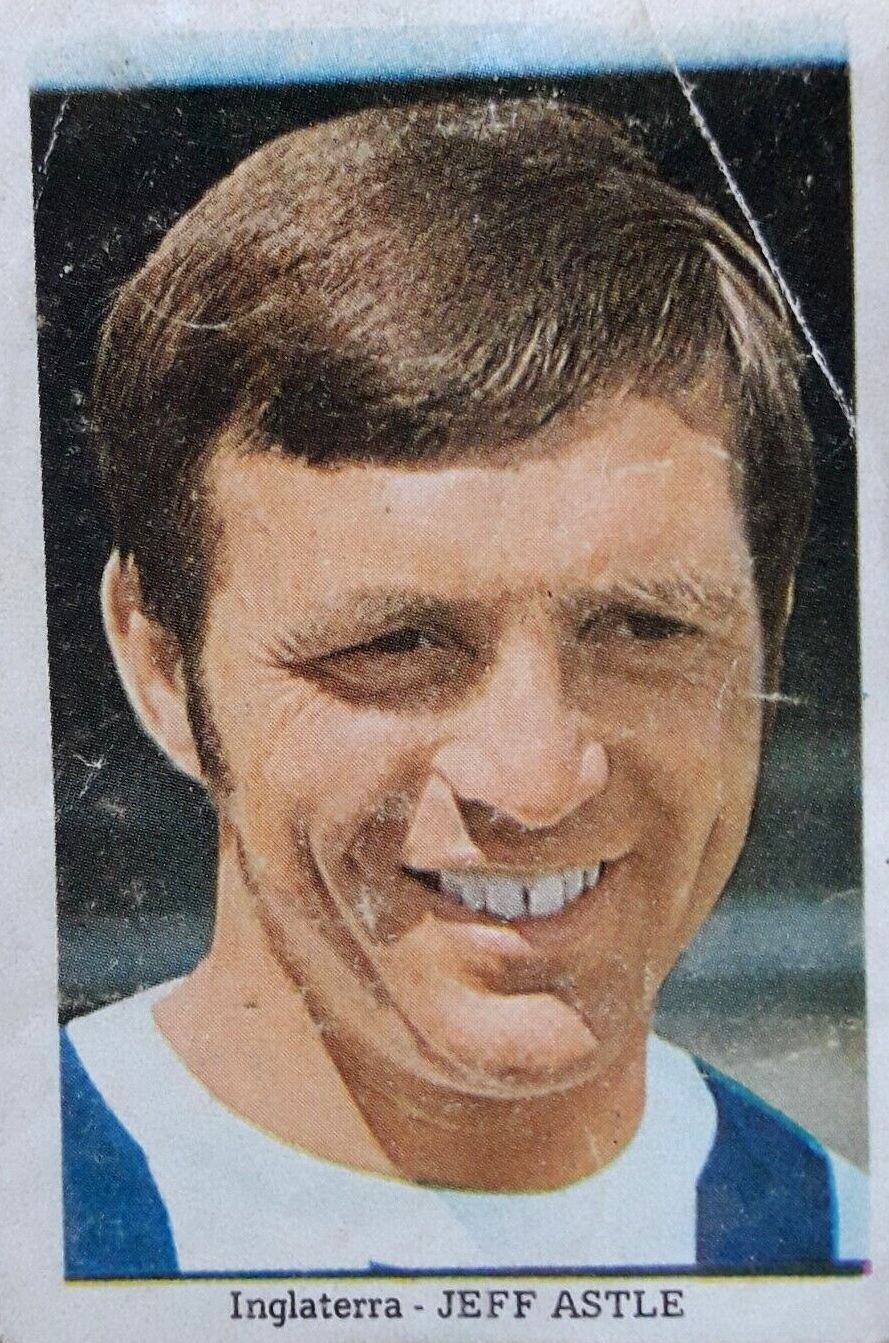
Forward Jeff Astle, already terrified of flying, reacted badly to the news and drank heavily to calm his nerves. Upon landing in Mexico City, he had to be supported off the plane. Mexican newspapers labelled England “drunks and thieves”.
Moore was initially held in custody, then placed under house arrest at the residence of Señor Ceni, president of the Colombian FA. Due to his status, he was allowed to train daily under police supervision.
The British Prime Minister, Harold Wilson, anxious about the political fallout during a general election campaign, instructed diplomats to secure Moore’s release. Colombian media largely doubted his guilt, with El Tiempo criticising the unreliable witnesses.
At trial, Moore maintained he had never seen the bracelet. Under cross-examination, Padilla claimed he had placed it in his left jacket pocket — but evidence showed the jacket had no such pocket. Suárez’s testimony also collapsed; under pressure, he admitted he had been paid by Rojas to fabricate his story.
No bracelet was ever produced, and its alleged value varied wildly. With insufficient evidence, the judge dismissed the case. Moore was acquitted on 28 May.
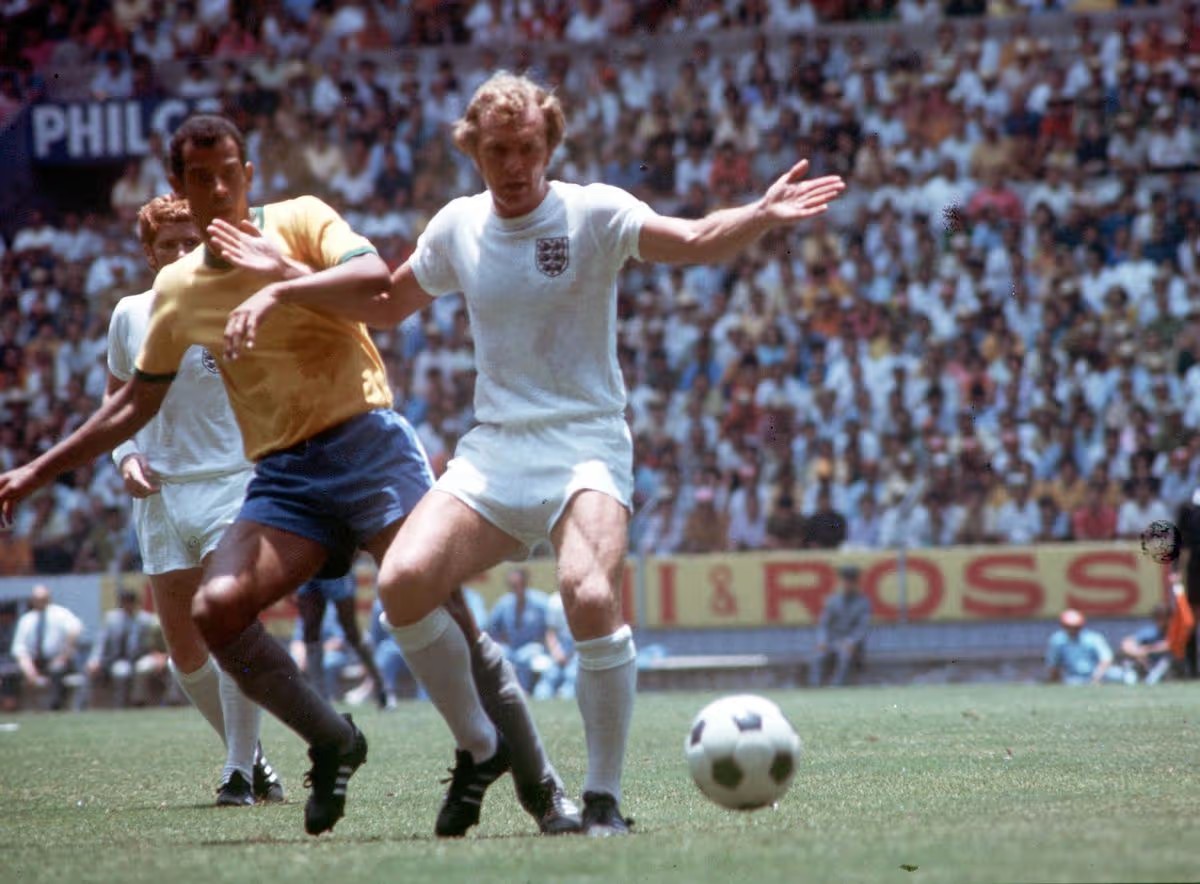
On 2 June, England faced Romania in their opening match. Moore rejoined the squad just in time and received a standing ovation from his teammates. He led England to a 1–0 victory and performed impressively throughout the tournament, including his famous “perfect tackle” on Jairzinho against Brazil. Nevertheless, England were eliminated by West Germany 3–2 in the quarter-finals.
The investigation was briefly reopened after the tournament but yielded nothing. The Green Fire shop eventually closed amid reputational damage. Moore regained his name, but the ordeal left deep psychological scars. He later described it as the worst experience of his career.
Many now believe the case was a miscarriage of justice — either an attempted extortion or even a plot to weaken England before the World Cup. Yet Padilla maintained her accusation until her death, while Moore once speculated that perhaps a misguided prank had spiralled out of control.
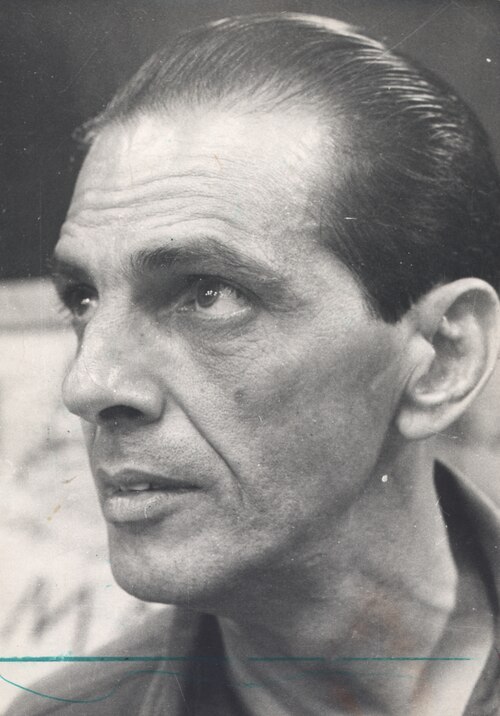
Official documents released in 2003 indicated Colombian police believed Moore was innocent and suspected an unidentified woman who attempted to sell the bracelet to criminal groups. The bracelet was never found.
Bobby Moore died in 1993. Clara Padilla passed away in February 2025. More than fifty years on, the truth behind the case may never be fully known.