- Decimal Odds
- Hong Kong Odds
- Indonesian Odds
- American Odds
- Malay Odds
 English
- English
 Vietnam

World Cup 2026 Quarter-Finals Power Rankings: France Lead the Race, Spain and Argentina Follow


-
1
 Imad masiFollow84.6%Win Rate +56%ROI 13Tips 1.92Avg Odds
 -
2
 Sedinho ⚽️Follow83.3%Win Rate +48.9%ROI 12Tips 1.92Avg Odds
 -
2
 RinoandiFollow83.3%Win Rate +59.5%ROI 12Tips 1.89Avg Odds
 -
4
 Samuel onyenachi OdadaFollow81.8%Win Rate +42.5%ROI 11Tips 1.85Avg Odds
 -
4
 HisyampanjiFollow81.8%Win Rate +41%ROI 11Tips 1.81Avg Odds
 -
6
 arpan paulFollow80%Win Rate +33.9%ROI 15Tips 1.82Avg Odds


World Cup 2026 Quarter-Finals Power Rankings: France Lead the Race, Spain and Argentina Follow
The 2026 World Cup has now reached the quarter-final stage, and The Athletic (TA) has ranked the remaining eight teams based on their overall strength. The top three teams are *France, Spain, and Argentina.
A total of 48 teams began their World Cup journey, but only eight remain in the race for the trophy. Led by Lionel Messi, Argentina once again faced a dramatic challenge in the Round of 16 against Egypt, falling behind before scoring twice within less than 15 minutes to complete a thrilling comeback victory.
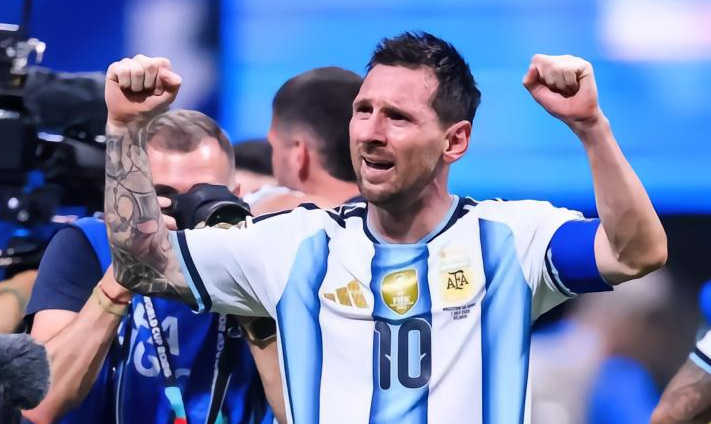
Argentina had been expected to face Colombia in the next round, potentially recreating the 2024 Copa América final matchup. However, Switzerland eliminated Colombia in a penalty shootout. As a result, three-quarters of the remaining quarter-finalists come from Europe, setting up four highly anticipated quarter-final clashes.
So, how do the remaining title contenders compare in terms of strength? Here is the latest power ranking:
1. France
France have been in excellent form throughout the tournament, defeating four opponents in a row on their way to the quarter-finals. However, in the Round of 16, the determined Paraguay side significantly disrupted France’s rhythm and limited their attacking output. Les Bleus eventually secured a narrow 1-0 victory to advance.
Paraguay’s disciplined defensive approach proved that France are not an unbeatable team. Some have already begun to wonder whether their quarter-final opponents Morocco could adopt a similar strategy and deliberately disrupt the tempo of Didier Deschamps’ side.
Even so, with an elite attacking lineup packed with talent, France remain the biggest favourites to win the World Cup. Kylian Mbappé has scored seven goals and is chasing Lionel Messi in the Golden Boot race, while midfield creator Michael Olise leads the tournament’s assist charts with five assists.
France remain at the top of the rankings, with TA’s real-time title probability model estimating their chances of lifting the trophy at 28%.
2. Spain
Thanks to Mikel Merino’s dramatic 91st-minute winner, Spain defeated Portugal and once again secured a clean-sheet victory.
Spain continued to dominate the match, maintaining control throughout and giving their opponents very few opportunities to score. One interesting storyline from this World Cup is that young sensation Lamine Yamal has yet to reach the level of performance many expected from him. So far, he has contributed just one goal and no assists.
However, substitute Ferran Torres provided the assist for another substitute, Merino, to complete the late winner, highlighting Spain’s impressive squad depth. If Yamal can rediscover his best form in the later stages of the tournament, Spain’s attacking threat could increase significantly.
Spain will face Belgium in the quarter-finals.
3. Argentina
Argentina enjoyed a smooth journey through the group stage, but since entering the knockout rounds, their matches against Cape Verde and Egypt have both been dramatic and highly challenging.
Against Cape Verde, Argentina showed a familiar weakness that had also appeared during their title-winning campaign four years ago: after taking the lead, they sometimes allow opponents back into the game. Similar situations occurred in their matches against the Netherlands and France during that tournament.
In the clash with Egypt, Argentina found themselves in a desperate 0-2 situation before scoring three goals within 13 minutes to complete a stunning comeback and narrowly secure their place in the next round.
Struggling so much in two consecutive high-pressure matches against teams considered weaker on paper has naturally raised some concerns. However, the team’s incredible mentality, fighting spirit, and determination to win in difficult moments have also earned widespread admiration.
The key question now is whether these two intense battles have taken a toll on Argentina’s physical reserves. Their next opponents will be Switzerland, another highly resilient side that should not be underestimated.
4. England
How should England’s performance in their Round of 16 clash be evaluated? The Three Lions delivered a highly convincing victory at Mexico’s iconic Azteca Stadium, a venue that has historically been a fortress for the Mexican national team.
Jude Bellingham and Harry Kane continued their excellent form at this World Cup, while England’s defence was also outstanding. Goalkeeper Jordan Pickford and substitute Dan Burn both produced impressive performances.
Despite Jarrell Quansah receiving a red card and being sent off before the hour mark in the first half, leaving England to play with ten men, Thomas Tuchel’s side managed to hold on and secure the victory.
The England manager will now begin preparing his tactical approach for the quarter-final, where they will need to find a way to contain Norway’s attacking threat led by Erling Haaland.
At the start of the tournament, England would certainly have been delighted with this quarter-final matchup.
5. Morocco
Can this Morocco team be considered the greatest side in African football history? They have reached the World Cup quarter-finals in back-to-back tournaments, becoming the first African nation ever to achieve such a feat. Combined with their impressive performances in the Africa Cup of Nations, it is difficult to argue against such a claim.
In their Round of 16 clash against the high-energy Canada side, Morocco faced intense pressure during the early stages of the match. However, after withstanding the initial attacking threat, they gradually took control of the game and secured a comfortable 3-0 victory thanks to their clinical finishing. They converted three of their five shots on target into goals, showcasing remarkable efficiency.
In this culturally significant quarter-final battle, can Morocco overcome France and pull off another major upset? Much will depend on the fitness of Ismaël Saibari, who was forced off with an injury during the match against Canada.
However, Morocco have already proven they can compete with the world’s best, having previously defeated the Netherlands and held Brazil to a draw. They will enter the clash with France full of confidence and belief.
6. Norway
In their clash with Brazil, Norway proved to the world that having one of the best strikers in football is enough to strike fear into any opponent. Erling Haaland’s brace guided Norway to their first-ever World Cup quarter-final appearance in history.
Goalkeeper Ørjan Nyland has continued to deliver outstanding performances, while Martin Ødegaard controls the tempo and dictates play from midfield. This Norway side is capable of dominating possession, while also matching top opponents physically, allowing them to adapt to different styles of play.
Manchester City forward Haaland and Arsenal midfielder Ødegaard will now face England in the quarter-finals, where they are set to meet several familiar faces from club football.
7. Belgium
Belgium looked underwhelming in their first two group-stage matches against Egypt and Iran, but they rediscovered their form in the final group game, ending the stage in style with a convincing 5-1 victory over New Zealand.
In the Round of 32, they produced another remarkable comeback to eliminate Senegal. Many had previously believed that Belgium’s “Golden Generation” had already passed its peak, but after defeating the United States to reach the quarter-finals, the team’s momentum is growing stronger.
Can Belgium pull off another upset by eliminating Spain and continue their impressive run? However, news of Aston Villa midfielder Amadou Onana suffering a serious anterior cruciate ligament (ACL) injury has cast a shadow over Belgium’s prospects.
8. Switzerland
With several experienced international players in their squad, Switzerland have long been a consistent presence in the World Cup knockout stages. In each of the previous three World Cups, they were eliminated in the Round of 16.
However, this time Switzerland made history by defeating Colombia in a penalty shootout, securing their first-ever World Cup penalty shootout victory and reaching the quarter-finals for the first time since hosting the tournament in 1954.
They achieved this milestone without the help of key player Johan Manzambi. The young talent had contributed three goals and two assists during the tournament, and his absence due to injury significantly weakened Switzerland’s attacking creativity, with the team managing only two shots on target in the match.
Nevertheless, their solid defensive structure helped them grind out the victory. Against Argentina in the quarter-finals, Switzerland will enter the match with confidence and the belief that they can once again compete against one of the tournament favourites.